Articles and reports on law, policy, regulation and business, each distilled into a clear read.
30 results, page 1 of 3
IQAir, the University of Chicago, the Lancet, State of Global Air, CREA and CSE all measure India's pollution differently. Here is what each found, why the numbers don't match, and what the courts and the law are doing about it.

COP31 opens in Antalya on November 9, 2026, under an unprecedented shared arrangement — Türkiye holds the formal presidency while Australia leads the negotiations track.

The DOJ filed urging the court to rule for OpenAI and Microsoft against the New York Times — an executive-branch intervention on the AI-copyright question every publisher is watching.

The Court ruled IEEPA doesn't authorize tariffs, striking down roughly 70% of the US tariff architecture overnight. The replacement — a Section 122 surcharge — comes with a hard 150-day clock.
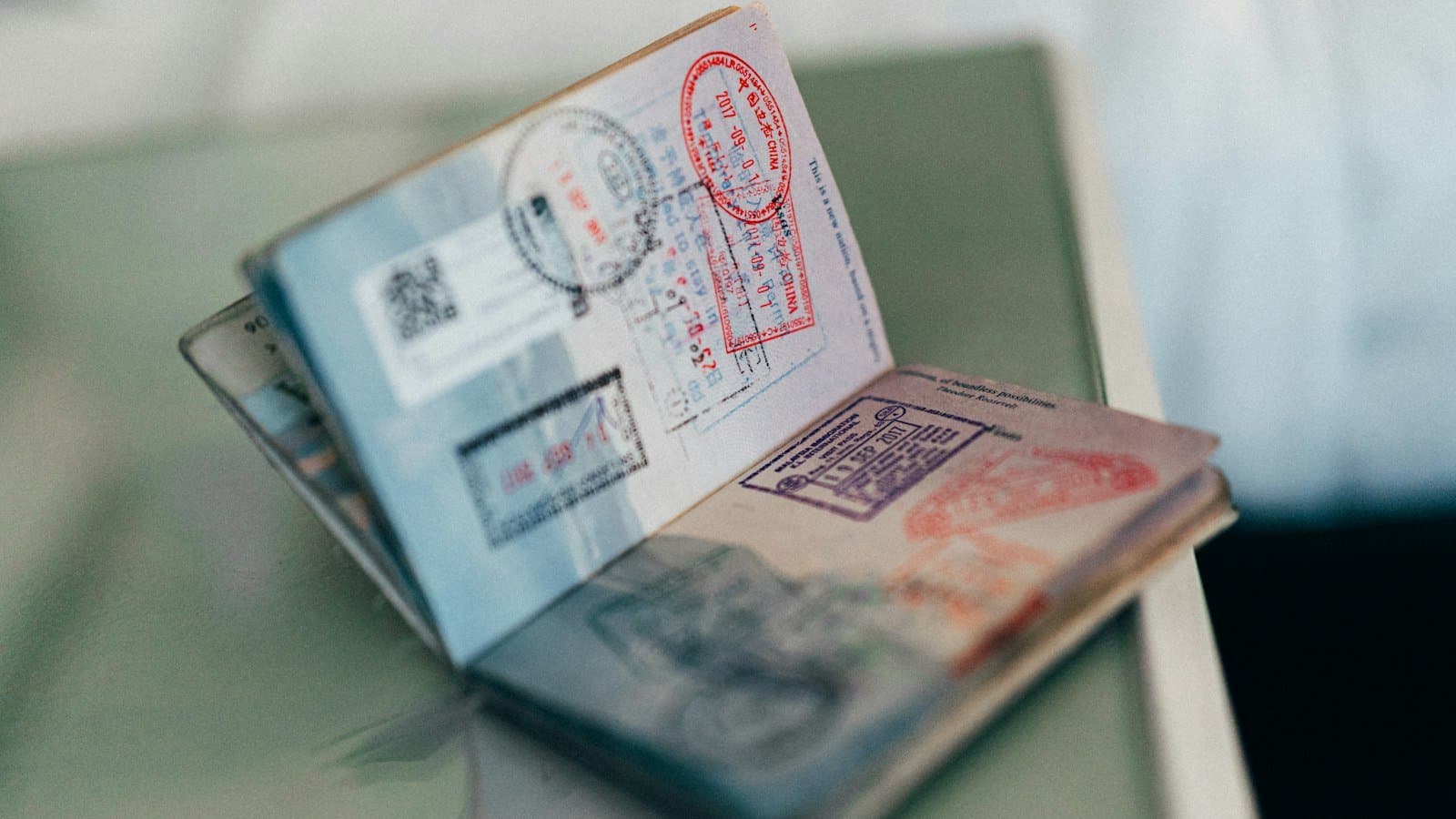
A federal court vacated the $100,000 H-1B fee as an unauthorized tax, an appeals court declined to reinstate it, and the underlying proclamation's own expiry date has now passed.

A federal judge rejected forcing Google to sell its ad exchange, ordering behavioral remedies instead — interoperability, real-time bid data, and six years of court monitoring.

In one week, the Competition Commission cleared a cross-border cricket franchise acquisition, a private equity stake buy, and a Fairfax Group investment in IIFL Capital.

The WEF's 21st annual Global Risks survey of 1,300+ experts ranks geoeconomic confrontation as the top risk for 2026 — jumping from 8th place. AI's adverse outcomes are the fastest-rising concern.

The four Labour Codes took effect in November 2025, but no state has notified rules under all four. The government's response: a 90-day, 316-district outreach campaign.
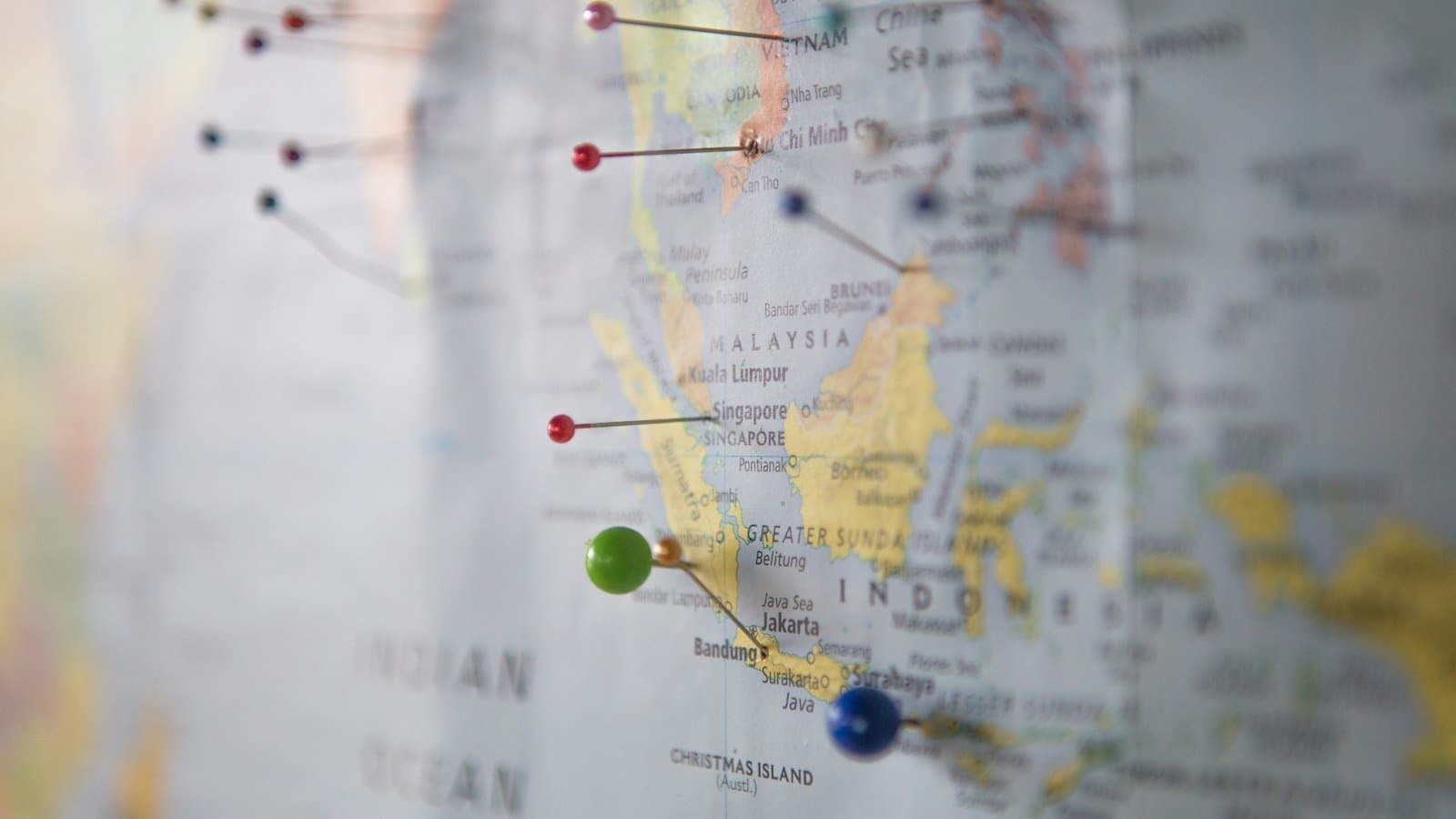
A new Section 240C empowers the government to frame cross-border insolvency rules aligned with the UNCITRAL Model Law — finally addressing a gap exposed by cases like Jet Airways.
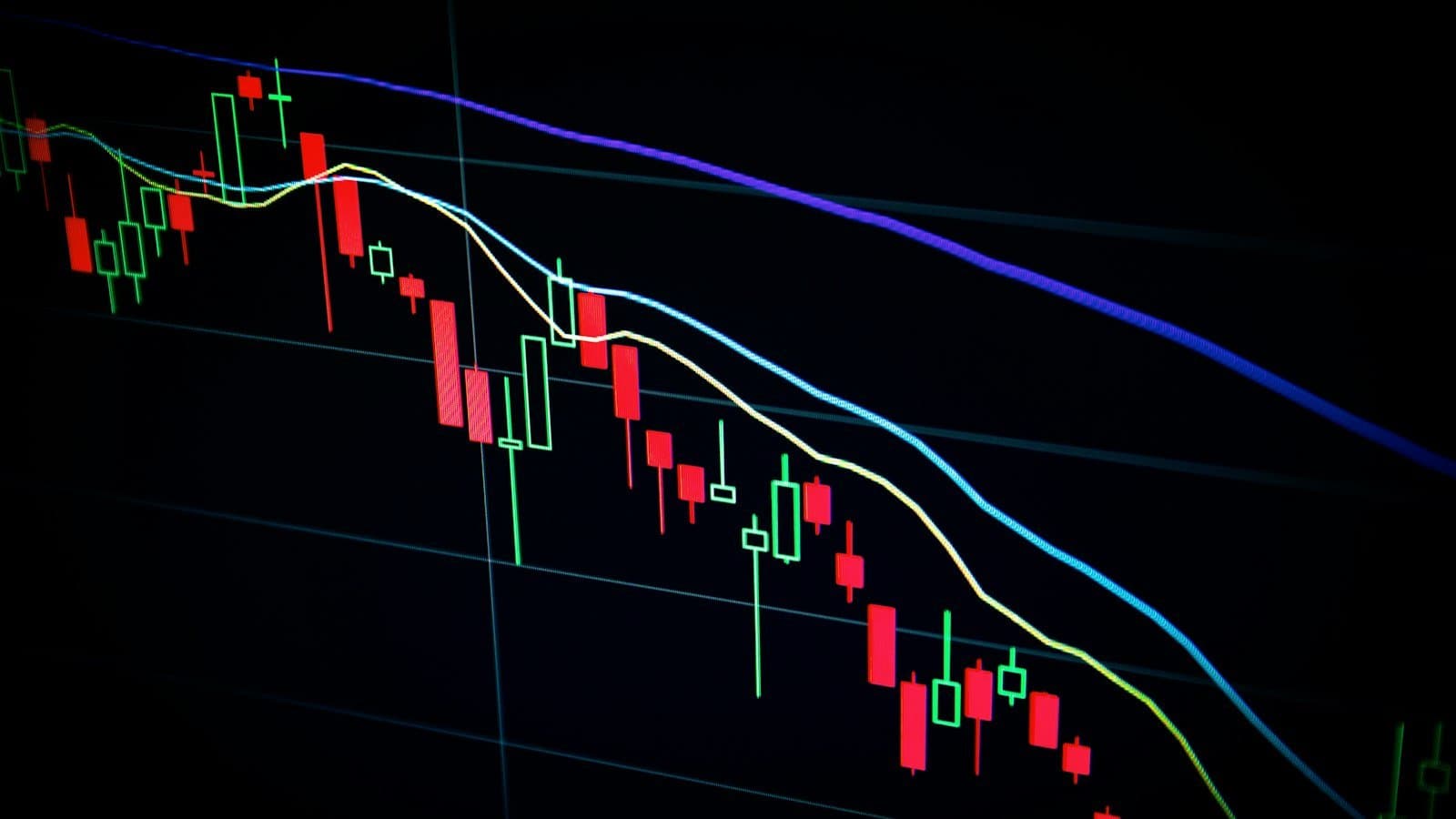
SEBI replaced its 2020 Portfolio Managers framework, opening the door to IPO and unlisted-debt investments — while separately proposing an overhaul of how it settles enforcement cases.

The Supreme Court upheld a retrospective 28% GST demand on online gaming stakes. Three weeks later, the industry asked the GST Council to waive it anyway.

